Software Service: 7 Critical Types Explained
software service
Table of Contents
A software service represents any computing functionality delivered over a network, typically through cloud infrastructure, that businesses and individuals access on-demand without installing traditional applications. This model has fundamentally transformed how organizations deploy technology solutions, shifting from capital-intensive software purchases to operational expense subscriptions that scale with actual usage.
The shift toward service-based software delivery addresses a core business challenge: reducing upfront costs while maintaining access to enterprise-grade capabilities. According to industry analysis from Gartner, organizations adopting service models report significant improvements in deployment speed and resource efficiency.
Understanding the Software Service Framework
The service delivery model operates on three foundational pillars. First, accessibility through standard web protocols eliminates complex installation requirements. Second, the provider manages all infrastructure, security patches, and updates behind the scenes. Third, pricing structures align with consumption patterns rather than perpetual licensing fees.
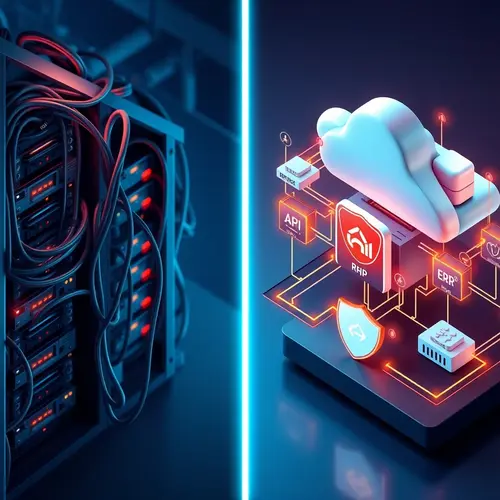
This architecture contrasts sharply with legacy software deployment. Traditional applications required dedicated servers, manual updates, and specialized IT staff for maintenance. Service-based alternatives abstract these operational burdens, letting organizations focus resources on core business functions rather than infrastructure management.
Seven Primary Software Service Categories
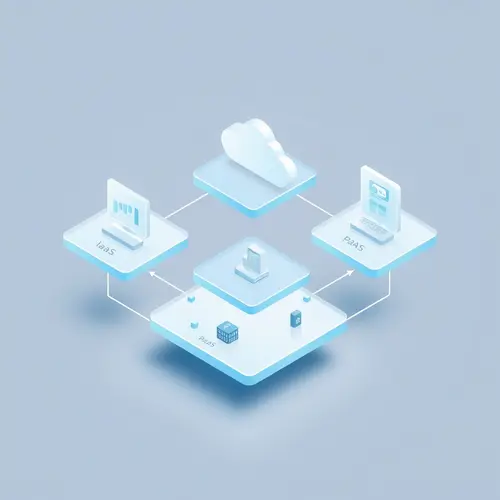
Infrastructure Services (IaaS)
Infrastructure services provide virtualized computing resources over the internet. Organizations rent servers, storage, and networking components without purchasing physical hardware. Amazon Web Services, Microsoft Azure, and Google Cloud Platform dominate this space, offering granular control over system configurations.
The primary advantage lies in elastic scalability. Businesses can provision additional resources during peak demand periods and scale down during quieter times, paying only for actual consumption. This flexibility proves particularly valuable for startups and enterprises with variable workloads.
Platform Services (PaaS)
Platform services deliver complete development environments for building, testing, and deploying applications. These offerings include database management systems, development frameworks, middleware, and business intelligence tools. Developers write code while the platform handles runtime environments, operating systems, and infrastructure.
Application Services (SaaS)
Application services represent fully functional software accessible through web browsers. Email platforms, customer relationship management systems, and collaboration tools exemplify this category. Users access features immediately without installation, configuration, or maintenance responsibilities.
| Service Type | Management Responsibility | Typical Use Cases | Cost Structure |
|---|---|---|---|
| Infrastructure (IaaS) | You manage applications, data, runtime | Website hosting, data storage, testing environments | Per hour/resource consumed |
| Platform (PaaS) | You manage applications and data only | Application development, API management | Per application instance |
| Application (SaaS) | Provider manages everything | Email, CRM, collaboration tools | Per user/month |
| Function (FaaS) | Provider manages all infrastructure | Event-driven processing, microservices | Per execution/compute time |
Function Services (FaaS)
Function services enable developers to execute code in response to specific events without provisioning servers. This serverless architecture bills based on actual execution time measured in milliseconds. AWS Lambda and Azure Functions exemplify this approach, ideal for event-driven workflows and microservice architectures.
Database Services
Database services provide managed data storage with automated backups, scaling, and replication. Organizations access relational or non-relational databases without configuring servers or managing software updates. This category includes specialized offerings for time-series data, graph databases, and data warehousing.
Security Services
Security services deliver threat detection, identity management, and compliance monitoring through cloud platforms. These offerings monitor network traffic, authenticate users, encrypt data, and generate audit logs. Many organizations combine multiple security services to build comprehensive protection frameworks.
Analytics and Intelligence Services
Analytics services process large datasets to generate insights, predictions, and visualizations. Machine learning platforms, business intelligence tools, and data processing engines fall into this category. These services democratize advanced analytics capabilities previously accessible only to enterprises with specialized data science teams.
Strategic Benefits of Software Service Adoption
Service-based software fundamentally alters cost structures. Capital expenditures shift to operating expenses, improving cash flow and reducing financial risk. Organizations pay for actual usage rather than speculative capacity planning, eliminating waste from overprovisioned resources.
Deployment speed accelerates dramatically. Teams can provision new environments in minutes rather than weeks or months required for traditional infrastructure procurement. This agility enables faster experimentation, shorter development cycles, and quicker responses to market opportunities.
Maintenance burden transfers to specialized providers with economies of scale. A vendor managing services for thousands of customers invests more heavily in security, reliability, and performance optimization than any single organization could justify independently.
Evaluating Software Service Providers
Selecting appropriate providers requires systematic evaluation across multiple dimensions. Service level agreements define uptime guarantees, support responsiveness, and remediation procedures. Organizations should scrutinize these contractual commitments, particularly for mission-critical applications where downtime directly impacts revenue.
Data residency and compliance requirements vary by industry and geography. Financial institutions and healthcare providers face stringent regulations governing data storage locations and access controls. Providers should demonstrate relevant certifications such as SOC 2, ISO 27001, or HIPAA compliance.
Integration capabilities determine how easily services connect with existing systems. APIs, data export formats, and authentication protocols should align with organizational standards. Vendor lock-in risk increases when proprietary interfaces prevent migration to alternative providers.
Critical Selection Criteria
- Performance metrics: Measure latency, throughput, and response times under realistic load conditions before committing to long-term contracts
- Cost predictability: Analyze pricing structures for hidden charges, bandwidth fees, and premium support costs that inflate total ownership expenses
- Scalability limits: Understand maximum capacity constraints and throttling policies that could restrict growth
- Data portability: Verify export capabilities and standard formats that enable switching providers without data loss
- Support quality: Test responsiveness during trial periods, examining documentation quality and community resources
Common Implementation Challenges
Network dependency creates vulnerability. Organizations relying entirely on cloud services lose functionality during internet outages. Hybrid architectures maintaining local capabilities for critical functions provide resilience against connectivity failures.
Cost management complexity increases as organizations adopt multiple services across different providers. Without proper governance and monitoring tools, expenses can spiral unpredictably. Establishing clear tagging standards, budget alerts, and regular optimization reviews prevents waste.
Security responsibility shifts but doesn’t disappear. The shared responsibility model requires organizations to secure their applications and data even when infrastructure protection falls to the provider. Misunderstanding these boundaries leads to dangerous security gaps.
Expert Perspective on Service Sprawl
A persistent challenge facing enterprises involves service proliferation without strategic oversight. Individual teams independently adopt services optimized for immediate needs, creating fragmented architectures with duplicated functionality and incompatible data formats. This pattern, sometimes called shadow IT, undermines standardization efforts and inflates costs.
Effective governance requires centralized visibility into service adoption combined with flexible approval processes. Organizations achieving optimal results establish architectural standards while empowering teams to select implementations meeting specific technical requirements. This balanced approach prevents both bureaucratic bottlenecks and chaotic sprawl.
Future Trajectory and Emerging Patterns
Edge computing extends service delivery closer to end users and devices, reducing latency for time-sensitive applications. This distributed architecture complements centralized cloud platforms, enabling new use cases in autonomous vehicles, industrial automation, and augmented reality.
Artificial intelligence integration transforms services from passive tools into proactive assistants. Automated optimization adjusts resource allocation based on usage patterns, predictive scaling provisions capacity before demand spikes, and intelligent monitoring detects anomalies requiring investigation.
Multi-cloud strategies gain adoption as organizations distribute workloads across multiple providers to avoid vendor lock-in and optimize price-performance ratios. This approach increases complexity but improves negotiating leverage and architectural flexibility.
Implementing Software Service Solutions Effectively
Successful adoption begins with pilot projects demonstrating value before broad deployment. Select low-risk applications with clear success metrics, allowing teams to develop expertise without jeopardizing critical operations. Document lessons learned and refine processes before expanding scope.
Training investments prove essential for maximizing service value. Teams familiar with traditional infrastructure require time developing cloud-native skills around API integration, containerization, and serverless architectures. Organizations underestimating this learning curve experience extended timelines and suboptimal implementations.
Continuous optimization separates high-performing organizations from those treating services as simple infrastructure replacements. Regular reviews identify underutilized resources, rightsizing opportunities, and architectural improvements. Automation tools can implement recommendations systematically, compounding savings over time.
The software service model represents more than technological evolution—it fundamentally reshapes how organizations approach computing resources. By converting fixed costs into variable expenses, accelerating deployment cycles, and transferring operational burdens to specialized providers, this approach enables businesses to focus energy on differentiation rather than infrastructure management. Organizations embracing these capabilities while maintaining strategic oversight over adoption, costs, and security position themselves to capitalize on emerging opportunities in an increasingly digital economy.

Ayleen Ruhul is a senior business software analyst at Bosbiztools testing SaaS for US small businesses. 5+ years, 140+ hands-on reviews. Method: 30-day workflow simulation, pricing stress-test, and support verification.