How a Well Executed Business Marketing Plan Can Make a Difference!
How a Well Executed Business Marketing Plan Can Make a Difference!
Table of Contents
Business Marketing Plan In today’s competitive landscape, where every business strives for visibility, growth, and customer engagement, the significance of a well-crafted Business Marketing Plan cannot be overstated. This comprehensive guide explores the critical elements, strategies, and benefits associated with an effective marketing blueprint. Whether you’re a startup aiming to establish your brand or an established enterprise seeking to enhance market presence, understanding the intricacies of a Business Marketing Plan is crucial for achieving sustainable success.

Understanding the Essence of a Business Marketing Plan
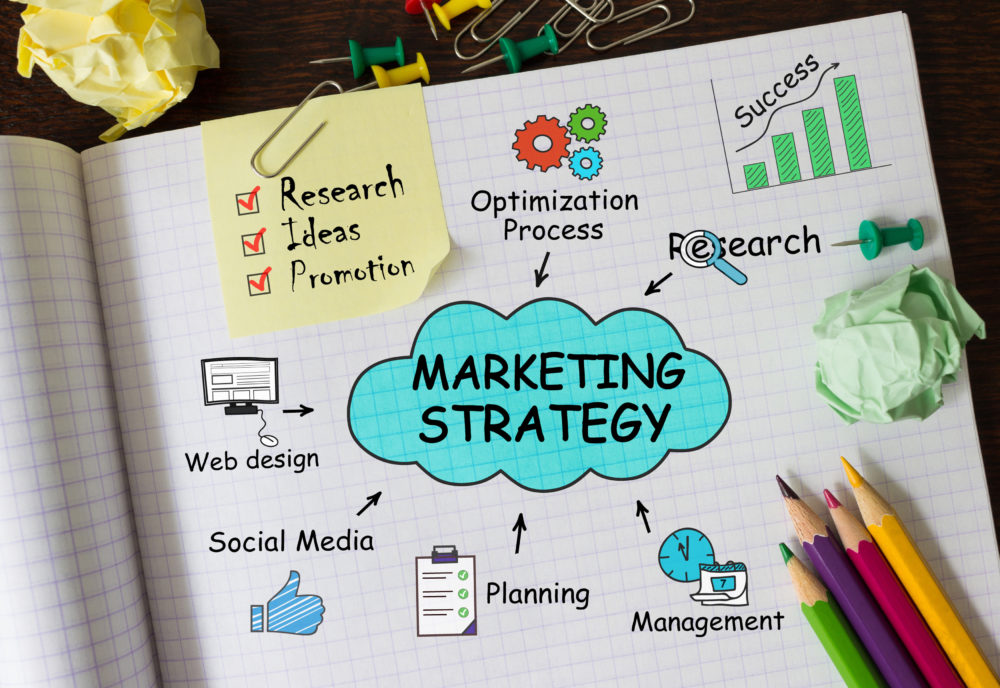
A marketing blueprint serves as a strategic roadmap that outlines how a company will reach its target audience, communicate its value proposition, and achieve its marketing objectives. It integrates market research, competitive analysis, and consumer behavior insights to formulate actionable strategies that drive business growth and foster brand loyalty.
Key Components of a marketing blueprint
1. Market Analysis and Segmentation
A robust marketing blueprint begins with a thorough market analysis to identify industry trends, market size, and consumer demographics. By segmenting the market based on psychographic, geographic, and behavioral factors, businesses can tailor their marketing efforts to resonate with specific customer segments effectively.
2. Strategic Positioning and Differentiation
Effective positioning is essential for standing out in a crowded marketplace. A marketing blueprint defines the unique value proposition (UVP) of a business and articulates how it differs from competitors. This involves highlighting strengths, addressing consumer pain points, and crafting compelling messaging that resonates with the target audience.
3. Marketing Goals and Objectives
Clear, measurable goals are foundational to a marketing blueprint. Whether it’s increasing brand awareness, driving website traffic, or boosting sales conversion rates, setting SMART (Specific, Measurable, Achievable, Relevant, Time-bound) goals provides a framework for evaluating marketing performance and optimizing strategies accordingly.
4. Target Audience Identification
Understanding the demographics, interests, and preferences of the target audience is pivotal in devising effective marketing campaigns. A marketing blueprint delineates buyer personas—fictional representations of ideal customers—to guide personalized marketing initiatives and enhance customer engagement.
5. Marketing Strategies and Tactics
Based on market insights and objectives, a marketing blueprint delineates comprehensive strategies and tactics. These may encompass digital marketing (SEO, SEM, content marketing), traditional advertising (print, TV, radio), social media campaigns, influencer partnerships, and experiential marketing to maximize reach and impact across diverse channels.
Benefits of Implementing a marketing blueprint
1. Strategic Focus and Alignment
A well-defined marketing blueprint aligns marketing activities with overarching business goals and objectives. It provides clarity on priorities, allocates resources efficiently, and ensures that marketing efforts contribute directly to organizational growth and profitability.
2. Enhanced Market Penetration and Customer Acquisition
By targeting specific market segments and deploying tailored marketing strategies, businesses can penetrate new markets effectively and attract a steady influx of qualified leads. A marketing blueprint facilitates customer acquisition through targeted campaigns that resonate with the needs and preferences of prospective customers.
3. Brand Building and Differentiation
Consistent messaging and strategic positioning elevate brand visibility and recognition in the marketplace. A marketing blueprint cultivates brand equity by emphasizing core values, fostering brand loyalty, and distinguishing the brand from competitors through compelling storytelling and impactful marketing collateral.
4. Optimized Resource Allocation and Budget Management
Effective planning minimizes wastage and optimizes budget allocation across marketing initiatives. A Business Marketing Plan prioritizes high-impact activities, monitors spending against projected ROI, and enables adjustments to maximize cost-efficiency and marketing effectiveness.
Implementing a Business Marketing Plan: Best Practices
1. Cross-functional Collaboration
Successful execution of a Business Marketing Plan necessitates collaboration across departments—from marketing and sales to product development and customer service. Alignment ensures a cohesive approach to customer engagement and enhances the seamless integration of marketing strategies with overall business operations.
2. Data-Driven Decision Making
Harnessing data analytics and performance metrics is integral to refining and optimizing marketing strategies. A Business Marketing Plan incorporates regular performance analysis, A/B testing, and customer feedback to iterate campaigns, identify emerging trends, and capitalize on opportunities for continuous improvement.
3. Adaptability and Agility
In a rapidly evolving marketplace, flexibility is key to sustaining competitive advantage. A Business Marketing Plan remains agile, responsive to market dynamics, and adaptable to changing consumer behaviors, technological advancements, and industry disruptions. This adaptive approach enables businesses to stay ahead of the curve and capitalize on emerging opportunities.
Case Studies: Real-World Impact of Effective Strategies
Case Study 1: Company X
Company X, a tech startup, leveraged a comprehensive Business Marketing Plan to launch its flagship product—an innovative AI-powered CRM platform. By conducting market research, defining buyer personas, and executing targeted digital marketing campaigns, Company X achieved a 200% increase in website traffic and a 150% rise in lead conversions within the first six months of launch.
Case Study 2: Organization Y
Organization Y, a global retailer, revitalized its brand image and market presence through a strategic rebranding initiative outlined in its Business Marketing Plan. By repositioning its products for a younger demographic, enhancing omnichannel customer experiences, and leveraging influencer partnerships, Organization Y saw a 15% increase in brand awareness and a 20% uplift in sales revenue across key markets.
Future Trends to Watch in Small Business Marketing
1. AI-Powered Marketing Automation
The future of Business Plans lies in AI-driven automation tools that streamline campaign management, personalize customer interactions, and predict consumer behavior with unprecedented accuracy. AI-powered analytics will drive hyper-personalized marketing strategies, optimize customer journeys, and enhance marketing ROI through automated insights and decision-making.
2. Ephemeral Content and Interactive Marketing
Interactive content formats such as live streaming, augmented reality (AR), and gamification will dominate Business Marketing . These immersive experiences captivate audiences, foster real-time engagement, and deepen brand connections by offering interactive storytelling and participatory brand experiences.
3. Ethical Marketing and Sustainability
As consumer awareness of ethical practices grows, marketing blueprint will increasingly emphasize corporate social responsibility (CSR), sustainability initiatives, and transparent communication. Brands that demonstrate a commitment to environmental stewardship, social equity, and ethical business practices will resonate with conscientious consumers and foster long-term brand loyalty.
Business Marketing Plan
In conclusion, a meticulously crafted Business Marketing Plan serves as a strategic blueprint for achieving marketing objectives, driving business growth, and enhancing brand equity. By leveraging market insights, deploying targeted strategies, and embracing innovation, businesses can navigate competitive landscapes with confidence, capitalize on emerging opportunities, and cultivate lasting customer relationships. Learn how a good digital marketing agency supports execution and why focused digital marketing improves ROI; compare with the SBA business plan guide. For B2B teams, follow the B2B marketing strategy roadmap.
Embrace the power of a well-executed Business Plan to unlock new growth pathways, amplify market impact, and position your business for sustained success in an ever-evolving marketplace. Together, let’s embark on a journey of strategic marketing excellence, driving meaningful outcomes and achieving milestones that redefine success in the dynamic world of business.
What is included in a business marketing plan?
Goals, audience, positioning, channels, budget, timeline and measurement in one roadmap reviewed quarterly.
How often should we update the plan?
Review quarterly and rebuild yearly, or sooner when costs, channels or competitors shift materially.
What budget fits a small business?
Start with 7 to 10 percent of revenue, track cost per lead, then scale winners monthly.

Ayleen Ruhul is a senior business software analyst at Bosbiztools testing SaaS for US small businesses. 5+ years, 140+ hands-on reviews. Method: 30-day workflow simulation, pricing stress-test, and support verification. Author of 2,273 software guides since 2022.